
What it’s for
- Aerating. A young, powerful red, or a wine that’s a bit closed or reduced when you open it, benefits from contact with air: the aromas open up and the tannin feels friendlier.
- Separating sediment. Reds with many years behind them (and some Ports) form sediment in the bottle. Decanting carefully leaves the sediment in the bottle and the clean wine in the decanter.
When I’d do it
- Yes: young, structured reds (Ribera del Duero, Priorat, high-expression Rioja), some great young whites and any wine with sediment.
- Carefully: very old, fragile wines. Decant them just before serving, only to separate the sediment, and drink them soon: they can fade quickly.
- No: sparkling wines (you’d lose the bubbles) and most young, light whites and reds.
For how long
As a guide: between 30 minutes and 1 hour for most young, powerful reds, and a bit longer for very closed ones. The best thing is to taste when you decant and taste again every so often: the wine tells you when it’s ready.
How to do it with a wine that has sediment
- Stand the bottle upright for a few hours (ideally a day) so the sediment settles at the bottom.
- Open it without shaking it.
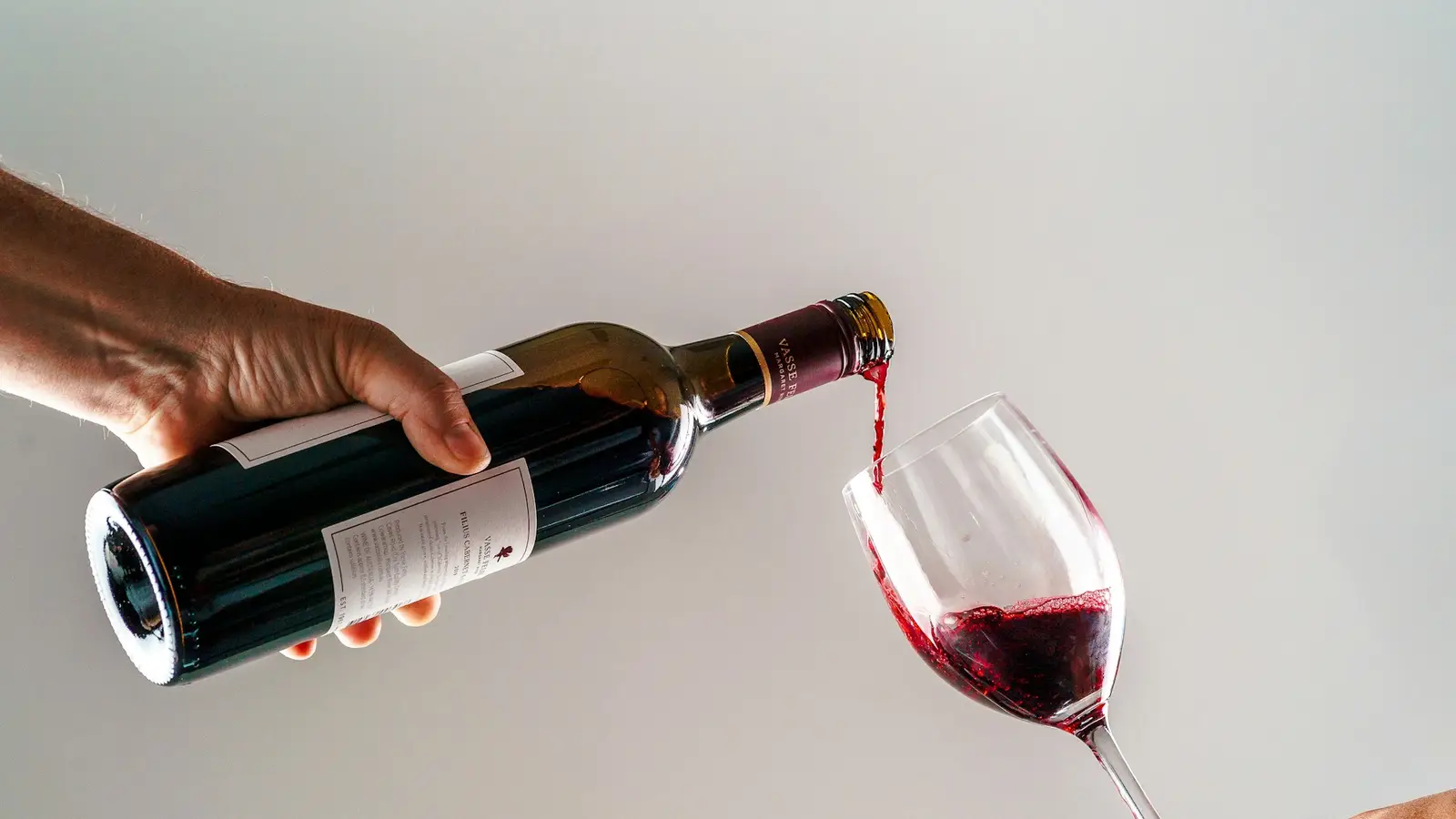
- Pour slowly and steadily over a light (a candle or your phone torch) shining through the neck.
- Stop when you see the sediment reach the neck.
What about aerators?
An aerator aerates the wine as you pour it, glass by glass. It’s convenient with young reds, but it doesn’t separate sediment or let you control the time. For a great wine, I prefer the decanter.


