How to choose
Wine aerators are one of those accessories that stir up opposite passions. For some they’re an essential invention; for others, a marketing toy. As usual, the truth lies somewhere in between, and it depends a lot on which wine you put through it.
During my years in wine sales I served the same red with and without an aerator in front of customers, distributors and friends. Sometimes the difference was obvious. Other times, nobody noticed. And once or twice the wine actually lost out with the aerator. Let me explain why.
What happens to wine when it gets air
When wine comes into contact with oxygen, several things happen:
- Volatile compounds evaporate that, in excess, are unpleasant: some reduction aromas (notes reminiscent of egg, struck match or mustiness) and some of the excess alcohol on the nose.
- The aromas “open up”. A freshly uncorked wine can seem quiet; with oxygen, the fruit and the notes from ageing come through.
- The tannin feels softer. Not because the tannin changes chemically in a few minutes, but because the whole thing comes into balance on the nose and palate.
But oxygen is also wine’s enemy in the medium term: long exposure oxidises it, dulls the fruit and makes it flat. Aerating is an accelerator: used well, it brings forward the best of the wine; used badly, it brings forward its decline.
What exactly an aerator does
A handheld aerator, like the classic Vinturi, is a cylinder with a chamber the wine passes through. As you pour, the narrowing speeds up the liquid and creates a Venturi effect that draws air in through small side holes and mixes it with the wine. That’s the characteristic gurgling sound. In a few seconds the wine gets an intense dose of oxygen, comparable to many minutes in a glass or a decanter.
There are other types:
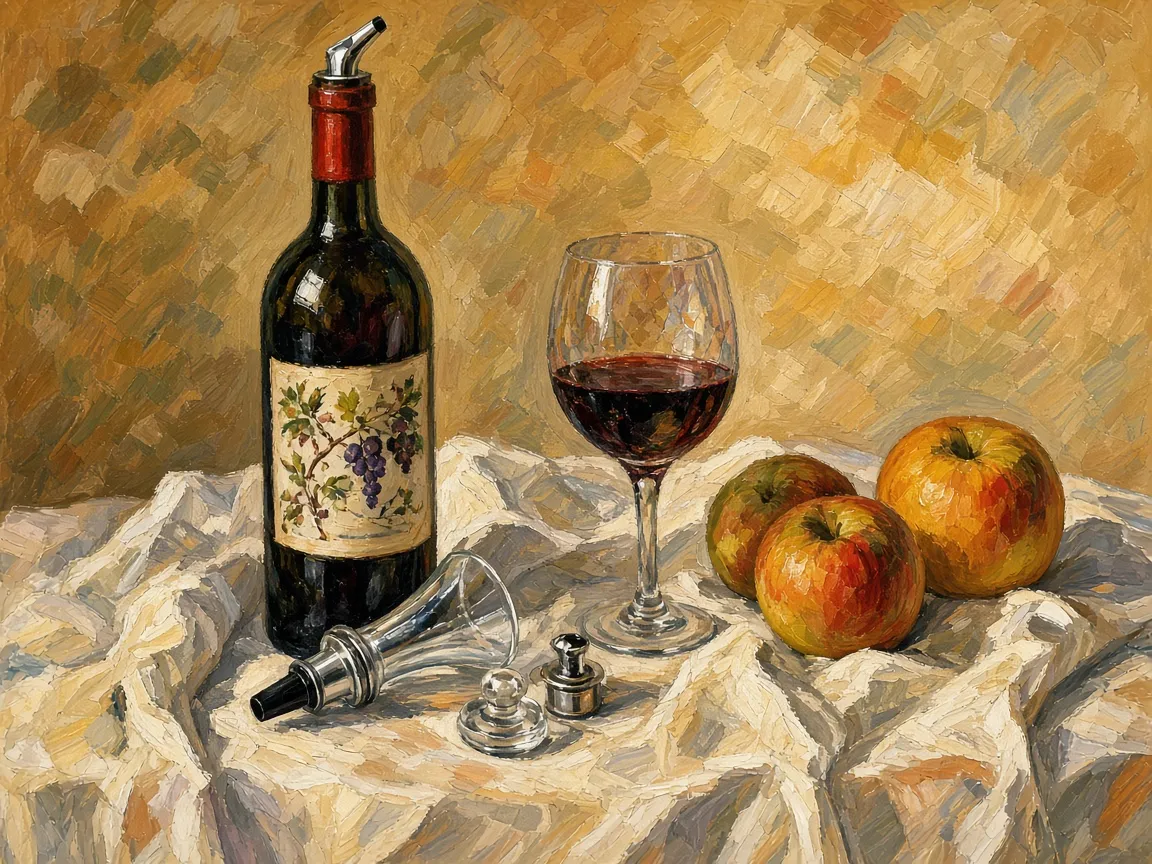
- Pourer aerators, which sit in the neck of the bottle. More convenient, but their effect is usually smaller.
- Electric aerators, which pump air. They work, although they add a battery and complication.
- Decanters with a built-in aerator in the funnel.
So, do they work?
Yes, they work: the wine that comes out of a good aerator is different from the wine that comes straight from the bottle. You can check that with a simple blind tasting at home. The useful question isn’t whether they work, but whether your wine benefits.
Wines that usually improve with an aerator
- Young, highly structured reds that were recently bottled: a young Toro, a Ribera del Duero roble, a powerful Monastrell, a young Priorat. They’re often a bit closed and the aerator opens them up.
- Reds with some reduction, the ones that smell musty or slightly “farmyard” when you open them. Air cleans them up.
- Mid-range everyday wines, which often gain expressiveness.
- Some full-bodied, aged whites (barrel-fermented Chardonnay, Godello on lees) that come out very cold and closed.
Wines I wouldn’t use it with
- Old wines (gran reservas with many years behind them, wines over 15-20 years old). They’re fragile; such a sudden blast of oxygen can make their aromas collapse in minutes. With them, at most a gentle, quick decant to separate the sediment, and straight into the glass.
- Young, aromatic whites (Albariño, Verdejo, dry Muscat): their charm lies in freshness and primary aromas. They don’t need air.
- Sparkling wines: the aerator would kill the bubbles. Never.
- Delicate, light reds, such as many Pinot Noirs or fine Garnachas, which normally express themselves well just by swirling the glass.
Aerator or decanter
They’re different tools that often get confused.
| Aerator | Decanter |
|---|
| Speed | Seconds | From 15 minutes to 2 hours |
| Control | Little: intense, fixed oxygenation | Lots: you decide how long |
| Sediment | Doesn’t separate it (some filter bits of cork) | Yes, if you pour carefully |
| Ideal for | Young reds by the glass | Great reds, wines with sediment, special occasions |
| Cleaning | Easy | More awkward |
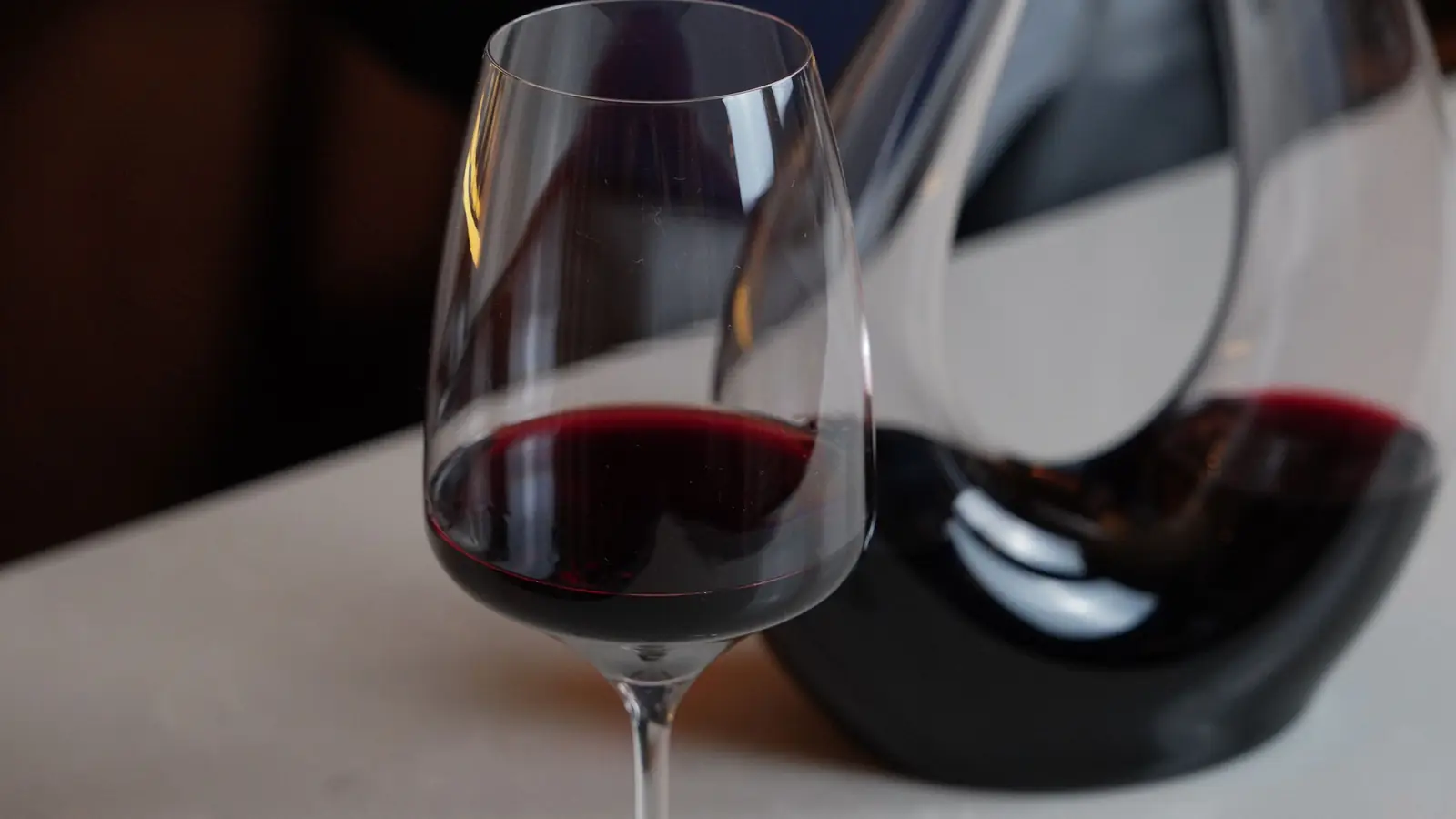
The decanter has one advantage the aerator doesn’t: separating the sediment in wines with years in bottle or unfiltered wines. And another very practical one: you can taste the wine every so often and serve it when it’s just right. The aerator is quicker and more convenient when you pour glass by glass, or when each guest is drinking a different wine.
At home, having both isn’t extravagant: the aerator for every day, the decanter for special bottles.
How to run your own test
Don’t take my word or anyone else’s for it: try it with your favourite wine.
- Open a bottle of a young, full-bodied red.
- Pour two identical glasses: one straight from the bottle and one through the aerator.
- Ask someone to swap them around without you seeing.
- Smell and taste both. Note which you prefer and why.
- Repeat half an hour later with the same glasses.
Often you’ll find the aerated glass wins at first and, after a while, the other catches up. That confirms what an aerator does: it speeds up the process.
Free alternatives
Before you buy, it’s worth knowing there are ways to aerate a wine without spending anything:
- Swirl the glass. A large tulip-shaped glass is already an excellent aerator. That’s why the glass matters so much.
- Open the bottle early. It helps very little, because the surface in contact with air in the neck is tiny. Better to pour a glass to lower the level.
- Decant into a clean jug. A glass water jug works as an improvised decanter.
- “Double decanting”: pour the wine into a jug and back into the bottle, rinsed out to remove sediment. A restaurant classic.
How to choose an aerator
- Material: quality acrylic or glass; it shouldn’t smell of plastic.
- Filter to catch bits of cork or coarse sediment.
- Drip-free stand, essential to avoid staining the tablecloth.
- Easy to clean: rinse it with hot water right after using it; no scented soap.
- Specific or universal: some brands have models for red and for white with different levels of aeration. If you drink mostly red, choose the red one.
Frequently asked questions
Can I pass the wine through the aerator twice? You can, but it’s rarely worth it. If the wine is still very closed after one pass, it’s better to decant it and wait.
Is it worth it for simple wines? That’s often where you notice it most, because many young wines gain expressiveness with a bit of air. It won’t turn an ordinary wine into an exceptional one, but it can make it more enjoyable.
Can I put it in the dishwasher? It depends on the model; even so, the best thing is to rinse it with hot water right after using it and leave it to dry upside down.